
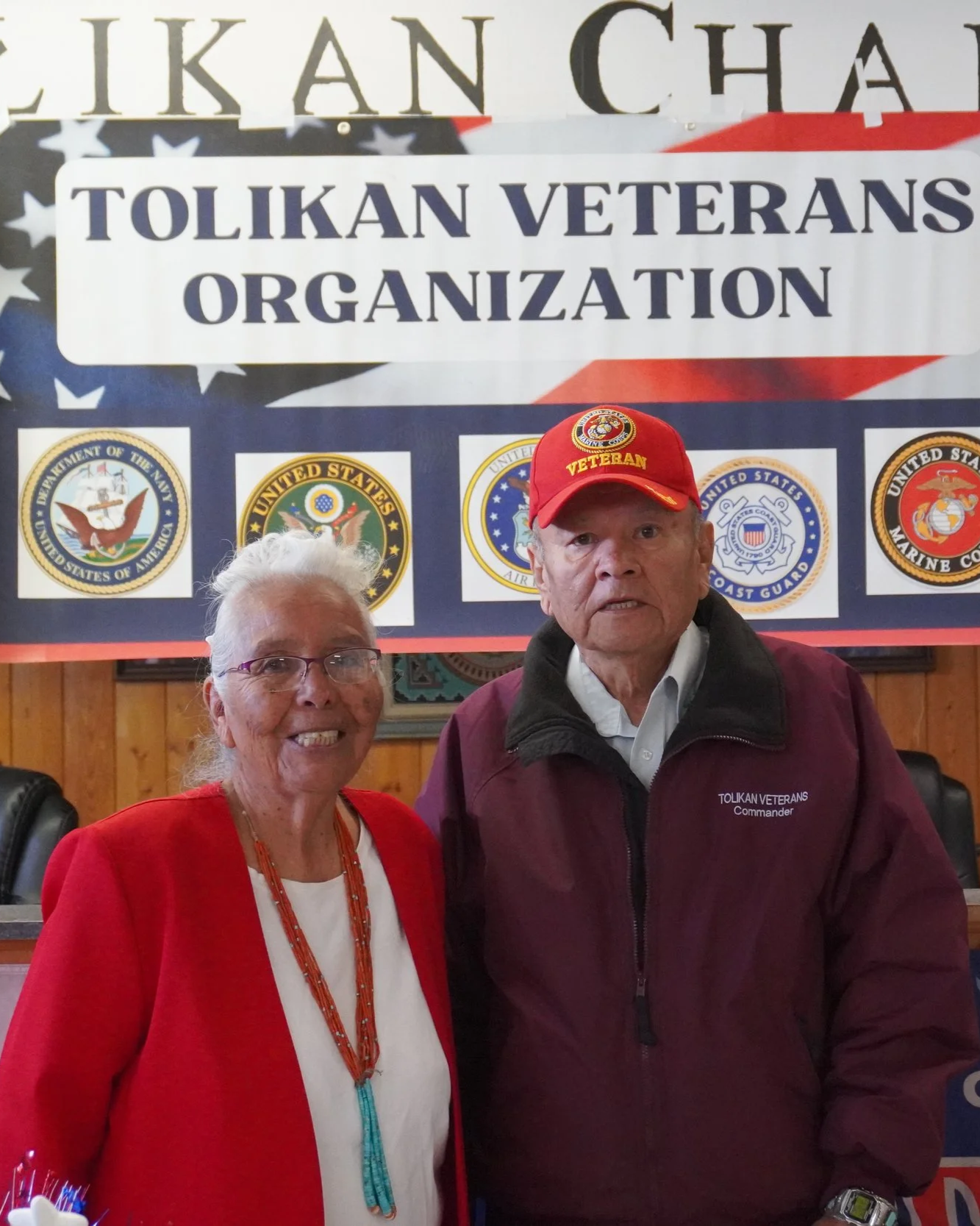
Tolikan Veterans Organization: A Call to Action for the Community
For years, the Tolikan Veterans Organization (TVO) has served as a vital lifeline for those who served, yet the organization itself has been locked in a quiet struggle for survival. Despite the crucial assistance it provides to veterans facing hardships within the community, the TVO has faced an uphill battle against consistent financial shortfalls and a leadership cycle that makes maintaining a quorum for monthly meetings nearly impossible. By July 2025, the weight of these challenges reached a breaking point, leading many members to voice serious concerns about whether the organization could—or should—continue to exist.
The struggle to keep the TVO active is deeply rooted in the harsh geography of the Navajo Nation. Tolikan, Arizona, is a remote community where the term "rural" takes on a profound meaning. Here, the nearest VA clinics in Flagstaff, Phoenix, or Albuquerque are an exhausting 200 to 400 miles away. Even basic necessities require an expedition, with the nearest grocery outlets located over 90 miles away and gas stations more than 15 miles from the heart of the community. For the 50 registered veterans in the Tolikan chapter, and the 5,000 others across the Navajo Nation, these distances are often insurmountable. When combined with the heavy burdens of age-related health issues, PTSD, and financial hardship, the simple act of attending a monthly meeting becomes a monumental task.
Faced with dwindling attendance and the looming threat of closure, the TVO Commander turned to the Tolikan Chapter House for guidance. The response from chapter officials and the administrative office was one of urgent encouragement. Recognizing that the TVO is an essential pillar of the community, they urged the organization to persist for at least one more year and called for a collective effort to reverse the trend of disengagement.
This call to action led to a pivotal moment in October 2025. During the annual elections, the lack of new veteran attendees meant that the existing leadership was the only hope for continuity. Despite their own heavy family responsibilities and personal priorities, Commander Harris Benally, Vice Commander Nelson Tsosie, and Michele Tsosie chose to set aside their uncertainty. They accepted reelection, fueled by a shared sense of duty to ensure no veteran in Tolikan is left behind.
This renewed commitment sparked a wave of collaboration that culminated in the "Tolikan Veterans Stand Down" event in November 2025. The Tolikan administration office, PEP workers, and community members joined forces with the TVO to host a gathering that was as much a resource fair as it was a homecoming. The air was filled with the resonance of an honor song dedicated to the veterans, and the sharing of a communal meal mended the frayed edges of the local support network. The event was a resounding success, proving that when the community unites, the TVO is not just a network of resources, but a powerful force of camaraderie.
Looking toward the horizon, the vision for the Tolikan Veterans Organization has grown even bolder. The goal is no longer just to survive, but to build a permanent home: a Tolikan Veterans Organization Building and a Veterans Memorial Park. This hub would stand as a sanctuary in the desert, a place where veterans can seek support and resources without the burden of a 400-mile journey. Supported by the Tolikan Chapter as a sub-arm of the Navajo Nation, the organization continues its mission to turn these isolated miles into a path toward lasting connection and honor.
The Request for Administrative Support and Payroll
To ensure the long-term survival of these efforts, the Tolikan Veterans Organization is seeking to establish a formal payroll for the Veterans Committee along with a stipend program for our dedicated volunteers.
Currently, our leadership and volunteers manage these vital services while balancing personal family responsibilities and the financial strain of living in a remote area. By transitioning these roles to a paid status, we can ensure consistent office hours, reliable outreach, and administrative stability. This transition will transform the TVO from a group struggling to maintain a quorum into a professional, operational hub capable of serving the 5,000 veterans across the Navajo Nation who face these same geographic barriers.